About Us

Our work
Working Washington is an organizing home for workers who are fed up and ready for change. We’re working hard: bussing tables, taking care of kids, sorting packages, making deliveries, but we still aren’t able to make ends meet. We can’t afford our rent while the ultra-rich get richer. And as corporations and their allies have consolidated power, they’ve systematically weakened the institutions that would hold them accountable. It doesn’t have to be this way.
If we organize together, we can win a future where all of us thrive. We know it’s possible because we’ve done it. For the past 15 years Working Washington has picked big fights – and won. And now, we need to fight more than ever.
We have the power to change the story about what workers deserve. It’s up to us – are you in?
Who we are
Our members
We are workers across Washington state, who have come together because we believe we can win the future we deserve. We are a multiracial community of working people who know we have more in common than what divides us.

Our leadership
Danielle Alvarado,
Executive Director
Working Washington & Working Washington Rights Center
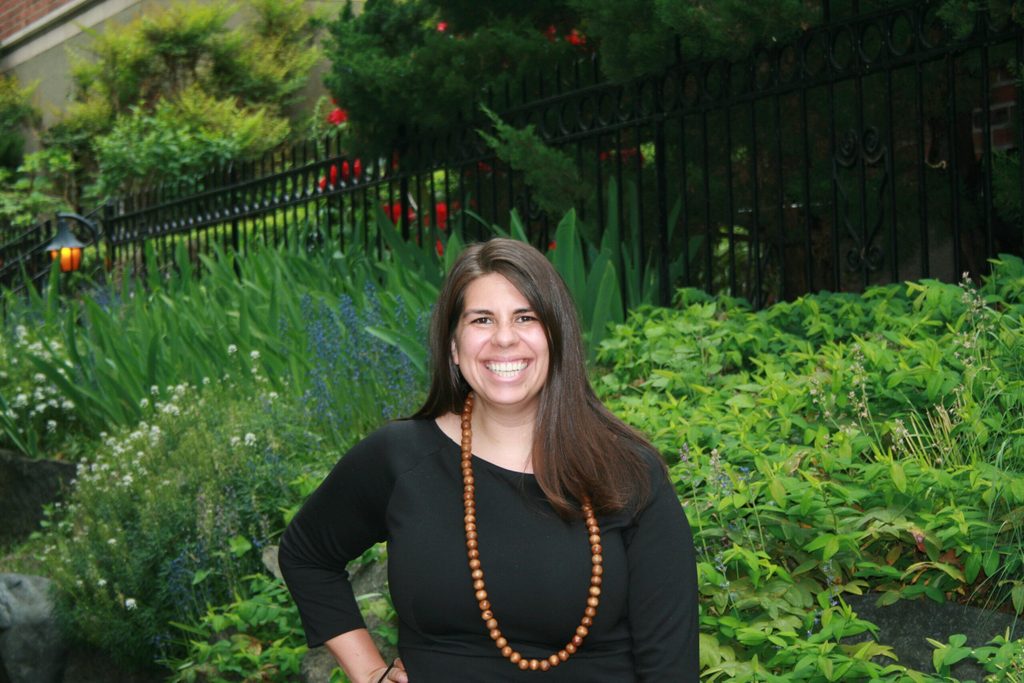
Danielle has more than 15 years of experience working in movements for racial and economic justice across the country. As Executive Director, she provides leadership on organizational strategy, advocates for public policy that puts workers first, and fosters external partnerships to build worker power in Washington state and beyond. She previously served as our Legal Director, overseeing the Legal Clinic’s efforts to recover $1.5 million in stolen wages and expanding representation of low-wage workers in wage theft, harassment, and retaliation cases.
Previously, Danielle was an Immigrants’ Rights Staff Attorney at Takeroot Justice, where she provided direct representation, policy and technical assistance, and strategic campaign support to grassroots immigrants’ rights organizations and worker centers in New York City. She serves on the Seattle Labor Standards Advisory Commission and is admitted to practice law in Washington and New York.
What we do
We improve wages and working conditions: We organize at the local and state level to expose corporate greed, change the rights we have, and to enforce those rights once we win them. Through our sister organization, Working Washington Rights Center, we represent workers who come forward to denounce labor violations; often, our enforcement efforts expose gaps in the law that are incorporated into future campaigns.
We change the narrative about wealth, inequality, and the value of work: What do workers deserve? More. Our win of the Domestic Workers Bill of Rights shows the power of narrative in our lives. The stories we tell about whose work is valued directly impact the rights people are given.
We grow our political power: Corporations, billionaires, and their allies increasingly control our elections and our politicians. So we fight to make sure working people have a voice in our democracy.
We stand up to corporations: We push our state’s enforcement agencies to use their capacity expansively and boldly hold corporations accountable, and to partner with the community to do so.
We invest in worker leaders who lead and grow our movement through base building: Our goal is not simply to win campaigns, but to build a base of strong leaders who can organize others and transform our state.
Our history
Working Washington was founded in 2011 as part of the “Fight for a Fair Economy”, guided by the vision of SEIU International’s leadership, as well the leaders and members of SEIU locals, community groups, faith organizations, and other labor unions in Washington state.
We quickly established a track record of groundbreaking successes in SeaTac, Seattle, and beyond. As many Fight for a Fair Economy campaigns came to a close, we took the bold step of diversifying our board and funding sources to achieve long-term sustainability so we could continue to unite workers to improve their working conditions.
Here are some worker-powered highlights:
Weeks-long work stoppage by port truck drivers grinds container traffic to a halt and wins attention to drivers’ poverty wages and safety concerns.
Fast food workers in Bellevue, Aberdeen, Kent, and Olympia join nationwide strikes for $15 & the right to organize and then rally with homecare workers, airport workers, and others at the State Capitol.
It’s official: after Working Washington helps the Raise Up Washington campaign gather more than 300,000 signatures, Initiative 1433 officially qualifies for the November ballot. I-1433 will raise the statewide minimum wage $13.50/hour over four years and provide up to 7 days of paid sick and safe time.
Postmates workers are being forced to “stack” multiple orders but are paid like it’s one order. Gig workers hold a #GuacOff in response. For three days from Wednesday, April 29 to Friday, May 1, Postmates workers across the country refuse all orders from Chipotle to demand sick leave, hazard pay, and safety protections. Because $2 per delivery is not a wage. It’s what Chipotle charges for a scoop of guacamole.
More than one hundred people came together to celebrate the grand opening of Centro Chinampa, our new worker center in Yakima. We’re proud to collaborate on this worker center and share a roof with OneAmerica, the Washington Immigrant Solidarity Network, and the Washington State Labor Council.
History Made: Workers celebrate signing of Domestic Workers Bill of Rights